Building skills through actual practice
We started in 2021 with a simple belief: video editing skills develop through repeated hands-on work, not passive watching. Our workshops give you structured projects and real feedback to build confidence with the tools.
We focused on what actually helps people learn
When we launched, we noticed most video editing resources fell into two categories: quick tips that skipped fundamentals, or overwhelming technical manuals that assumed too much prior knowledge. Both left beginners stuck without a clear path forward.
Our workshops break down complex techniques into manageable steps. You work through each phase at your own pace, applying what you learn immediately to your own projects. The instructors are there when you hit a wall, showing you how to troubleshoot rather than just fixing it for you.
We've refined the workshop structure based on feedback from hundreds of participants. Some concepts clicked faster when explained differently. Certain exercises worked better in a different sequence. We kept adjusting until the learning curve felt sustainable rather than overwhelming.
What guides our teaching approach
Clear progression
Each workshop module builds on what came before. You won't encounter tools or concepts without the foundation to understand them. The sequence matters because video editing combines multiple skills that need to develop together.
Practical application
Theory has its place, but most learning happens when you're actually editing. Our assignments mirror real projects: fixing footage issues, creating smooth transitions, matching audio to visuals. You build a portfolio while you learn.
Honest feedback
We point out what works and what doesn't in your projects, with specific suggestions for improvement. Constructive critique helps you develop judgment about your own work, which matters more than following formulas.
Sustainable pacing
Skills need time to settle. We space exercises to give you room for practice between new concepts. Rushing through creates confusion; proper pacing builds competence that lasts beyond the workshop.
Collaborative learning
You learn from other participants' questions and solutions. Group reviews show multiple approaches to the same challenge. This collaborative environment reflects how most video work actually happens in professional settings.
Real constraints
Projects include typical limitations: tight deadlines, imperfect footage, specific client requirements. Learning to work within constraints prepares you better than idealized scenarios where everything goes smoothly.
Who runs these workshops
Our facilitators have spent years working on actual video projects before teaching. They understand where beginners typically struggle because they remember their own learning process and the gaps that slowed them down.
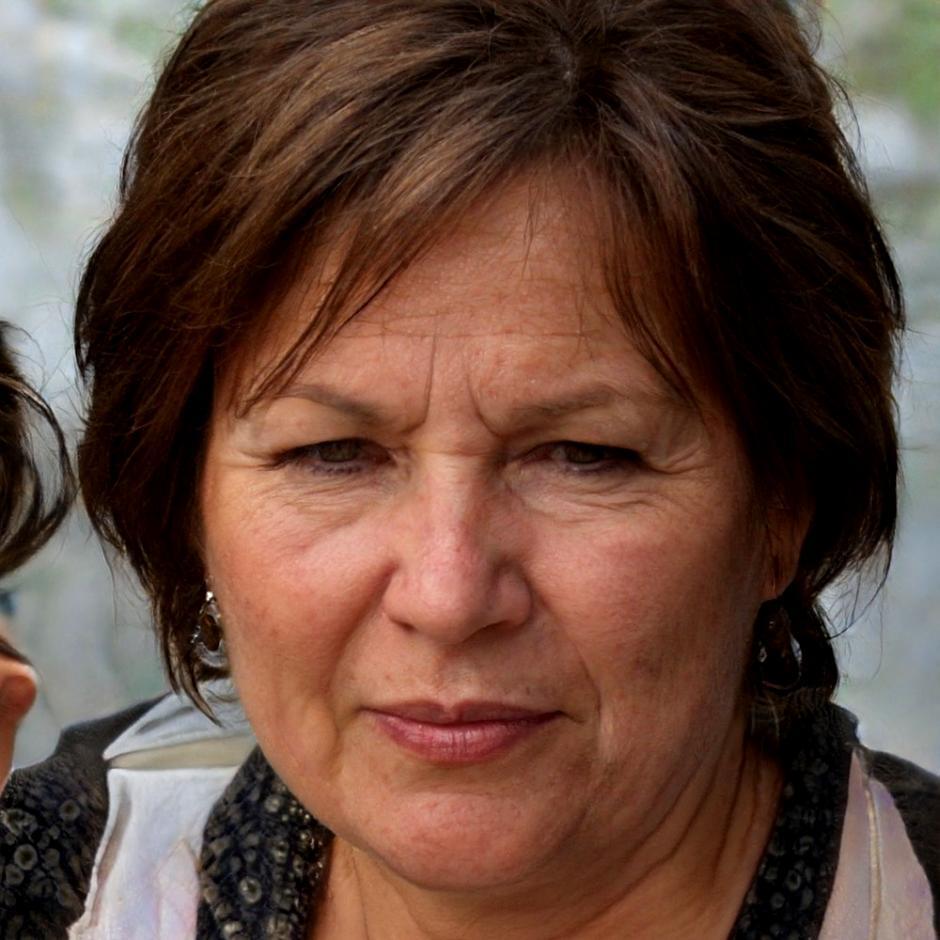
Liudmyla Bondarenko
Workshop Facilitator
Liudmyla has been editing video professionally for eight years, working on everything from corporate training materials to documentary shorts. She started teaching workshops after noticing how many self-taught editors struggled with the same fundamental concepts she had to figure out on her own.
Her teaching style focuses on showing multiple solutions to common problems rather than presenting a single "correct" method. She believes students develop better judgment when they understand why different approaches work in different situations.
Outside of workshops, she still takes on editing projects to stay current with industry tools and workflows. This hands-on experience informs the practical examples and troubleshooting techniques she brings to the teaching environment.